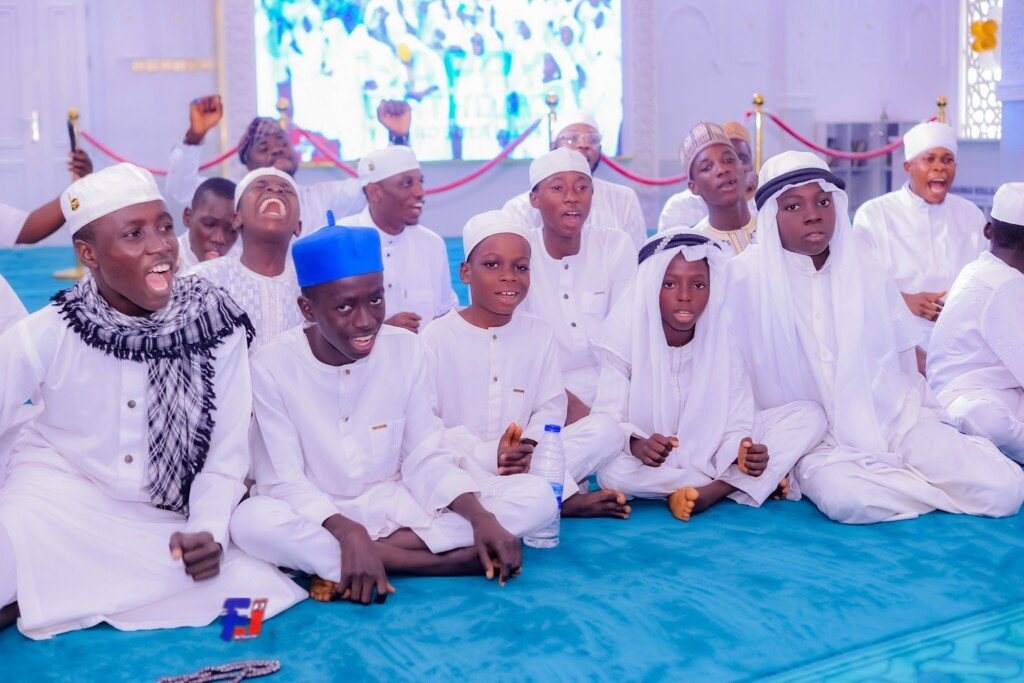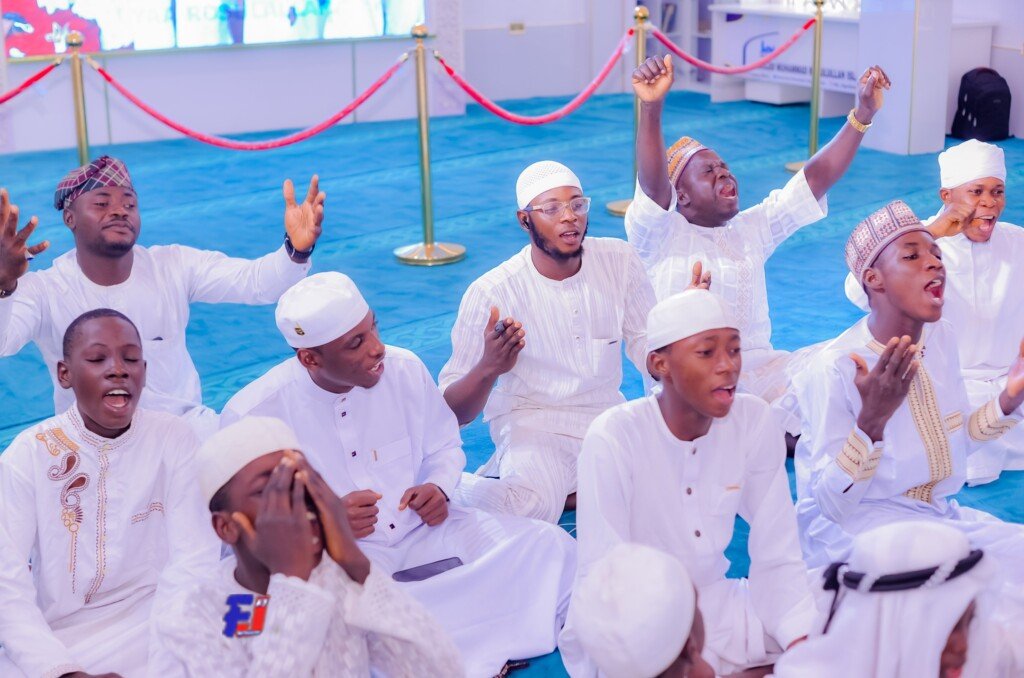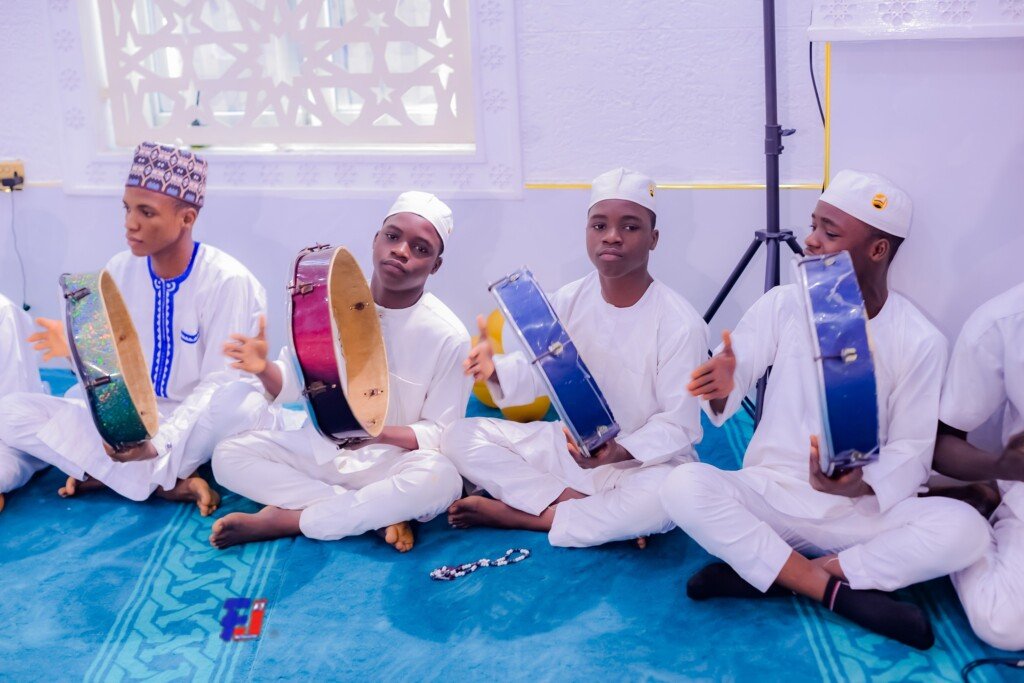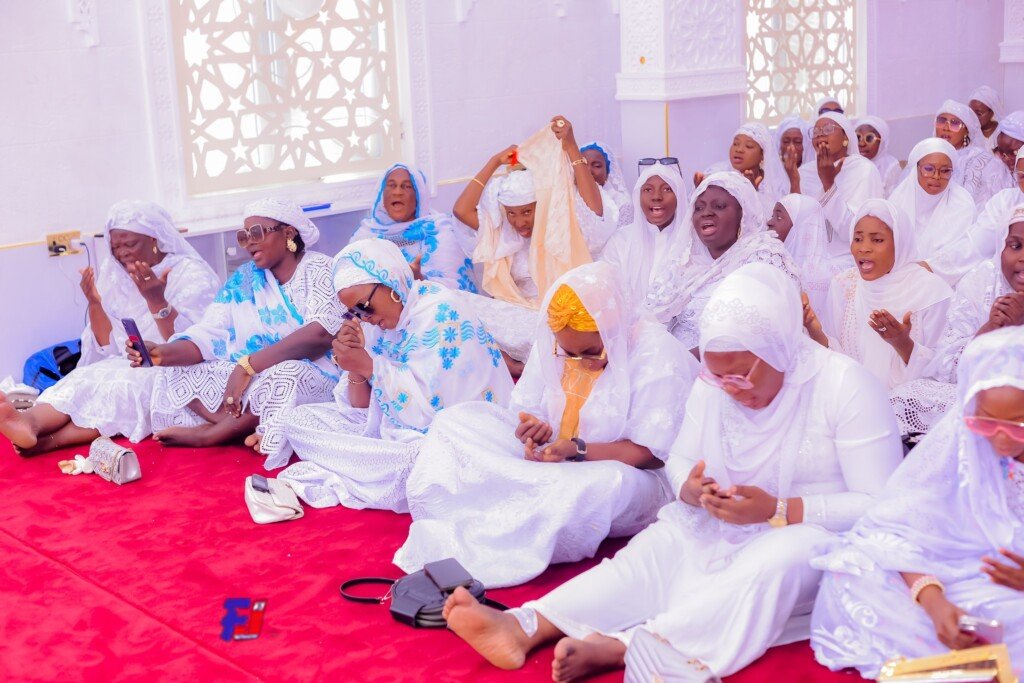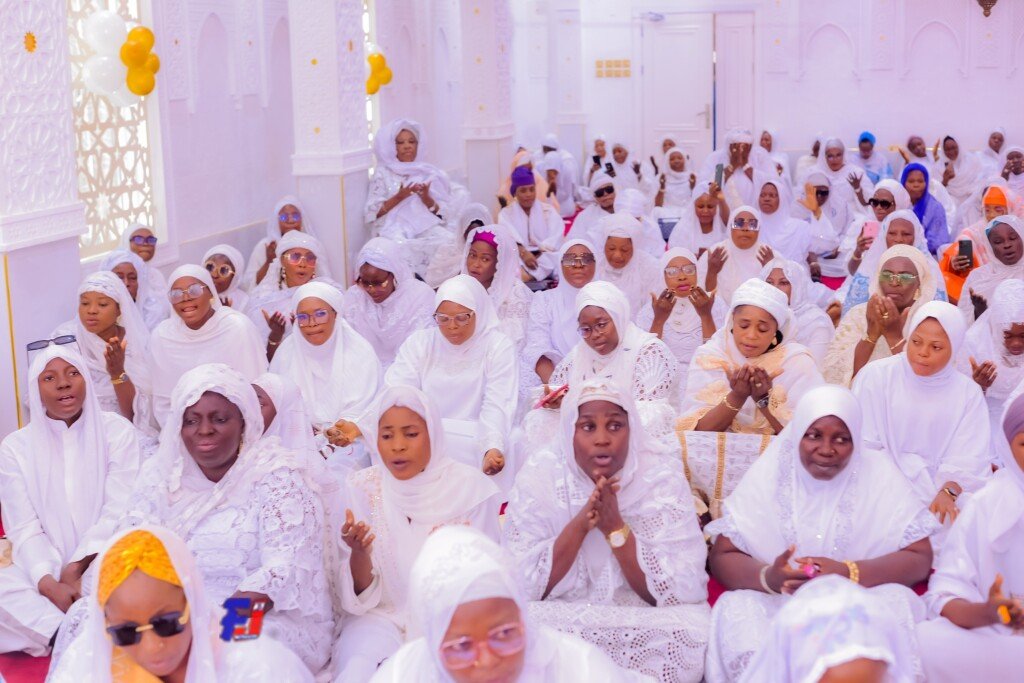

The Muhammad Rosulullah Islamic Society is a devoted Muslim organization committed to the practice and propagation of Islamic teachings, fostering unity, and enhancing spiritual growth among its members. One of the core religious activities of the society is the Asalatu, a congregational prayer session that serves as a means of seeking Allah’s blessings, guidance, and mercy.
Significance of Asalatu
Asalatu is a spiritual gathering where members engage in collective supplications, Quranic recitations, and praise of Allah and His Messenger, Prophet Muhammad (peace be upon him). It is a vital aspect of Islamic spirituality that strengthens faith, promotes discipline, and encourages communal bonding among worshippers.
Structure of the Asalatu Session
The Asalatu of the Muhammad Rosulullah Islamic Society follows a structured and spiritually uplifting format:
- Opening Takbir and Praise – The session begins with praises of Allah (dhikr) and salutations upon the Prophet Muhammad (peace be upon him).
- Qur’anic Recitation – Selected chapters and verses from the Holy Quran are recited for guidance and blessings.
- Hadith and Islamic Teachings – A scholar or learned member delivers lectures on Islamic principles, moral values, and the importance of piety.
- Special Duas and Supplications – Collective prayers are offered for individuals, the Muslim Ummah, and the community at large.
- Closing and Benedictions – The gathering concludes with prayers for peace, prosperity, and steadfastness in faith.
Impact of Asalatu on Members
The Asalatu session provides spiritual nourishment, instills discipline in worship, and strengthens communal ties. It serves as a platform for learning, moral development, and social interaction, ensuring that members uphold Islamic ethics in their daily lives.
Through this regular act of worship, the Muhammad Rosulullah Islamic Society continues to promote the message of Islam, encouraging members to lead righteous and fulfilling lives in accordance with the teachings of the Quran and Sunnah.